
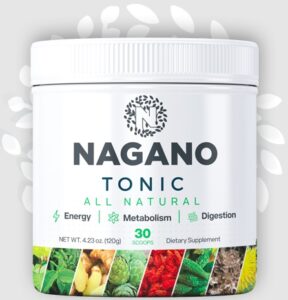
Nagano Tonic – diabetes medications should be discussed carefully because Nagano Tonic is a dietary supplement, not a prescription treatment for diabetes. This article explains what Nagano Tonic is, how its ingredients may relate to blood sugar support, possible medication interactions, safety concerns, and what people with diabetes should ask their doctor before using it. You will also learn how to compare supplements with proven diabetes medications, avoid misleading claims, and make safer wellness decisions based on evidence rather than hype.
Nagano Tonic and Diabetes Medications: What to Know
People searching for “Nagano Toni – Diabetes Medications” are usually trying to answer one serious and practical question: Can Nagano Tonic be used safely by someone who is already taking diabetes medications? This is an important topic because blood sugar management is not something to approach casually. Diabetes medications are designed to influence glucose levels, insulin response, and metabolic balance. At the same time, many wellness supplements, including products marketed as Nagano Tonic, are promoted for metabolism support, weight management, energy, and sometimes blood sugar support. That overlap is exactly why people need clear, careful, and evidence-aware information before making a decision.
First, it is important to clarify one point immediately: Nagano Tonic is not a diabetes medication. It is generally marketed as a dietary supplement, not as a prescription treatment, medical therapy, or replacement for doctor-prescribed diabetes care. Even if some of its ingredients are associated with glucose control, insulin sensitivity, or metabolic health, that does not mean the product can treat, cure, prevent, or reverse diabetes.
Important health note: This article is for informational purposes only. It does not provide medical advice. If you have diabetes, prediabetes, insulin resistance, or you are taking any diabetes medication, speak with a qualified healthcare professional before using Nagano Tonic or any blood sugar supplement.
Can You Take Nagano Tonic With Diabetes Medications?
The safest answer is: do not take Nagano Tonic with diabetes medications without medical guidance. This does not mean every supplement is automatically dangerous. It means that people with diabetes need to be more careful because their blood sugar levels may already be managed by prescribed drugs, insulin, diet, exercise, and regular monitoring.
Diabetes medications are often adjusted based on several personal factors, including:
- Current fasting blood glucose levels
- A1C history
- Type of diabetes
- Body weight and metabolic profile
- Kidney and liver function
- Other medications being used
- Diet, exercise, and lifestyle habits
- Risk of low blood sugar, also called hypoglycemia
When a person adds a supplement that may also affect blood sugar metabolism, the result can become less predictable. Some ingredients commonly found in wellness formulas are associated with glucose metabolism, appetite control, fat metabolism, or insulin sensitivity. While those effects may sound appealing, they may also create concern if someone is already using medication intended to lower blood sugar.
For example, if a person is taking a diabetes medication and then adds a supplement with ingredients that may further influence glucose levels, there is a theoretical risk that blood sugar could fall too low. This risk may be higher for people using insulin, sulfonylureas, or other medications that can directly reduce blood sugar. Even for people taking drugs with a lower risk of hypoglycemia, it is still wise to discuss supplement use with a doctor or pharmacist.
A helpful way to think about this is simple:
Natural does not always mean risk-free.
A supplement can be plant-based and still interact with medications, affect blood sugar, or cause side effects in sensitive individuals.
This is especially true in diabetes care. Blood sugar balance is not just about one product or one ingredient. It is a system involving food, medication, movement, sleep, stress, hormones, and long-term metabolic health. That is why Nagano Tonic and diabetes medications should not be treated as a casual combination.
Why This Question Matters for People With Diabetes
Diabetes is a condition that requires consistent and personalized management. Whether someone has type 2 diabetes, prediabetes, insulin resistance, or another glucose-related concern, the goal is usually to keep blood sugar within a safer range over time. Poorly managed blood sugar may affect energy, weight, circulation, heart health, kidney function, eye health, nerve health, and overall quality of life.
Because of this, people often search for extra support. They may look for a natural supplement for blood sugar, a metabolism booster, a weight-management drink, or a product that claims to support healthy glucose levels. This is understandable. Many people want to feel more in control of their health, especially when they are tired of confusing diets, changing medication routines, or slow weight-loss progress.
However, the problem begins when a supplement is misunderstood as a treatment. Nagano Tonic diabetes support claims, if seen online, should be read carefully. Supportive language is not the same as clinical proof. A supplement may support general wellness, but diabetes medications are part of a medical treatment plan.
This distinction matters because replacing prescribed medication with a supplement can be risky. It may lead to uncontrolled blood sugar, delayed medical care, or dangerous changes in glucose levels. Even adjusting medication without professional advice can create problems.
Nagano Tonic Is Not a Diabetes Medication
One of the most important things readers should understand is the difference between a dietary supplement and a diabetes medication.
A diabetes medication is intended to help manage blood glucose through clinically guided mechanisms. Depending on the medication, it may work by improving insulin sensitivity, increasing insulin production, reducing glucose production in the liver, slowing carbohydrate absorption, or helping the body remove excess glucose.
A dietary supplement, on the other hand, is usually designed to support general health or wellness. It may contain vitamins, minerals, herbs, plant extracts, antioxidants, amino acids, or other nutrients. Supplements are not held to the same standard as prescription medications when it comes to proving effectiveness for treating a disease.
That is why Nagano Tonic should not be described as a diabetes medication. It should be discussed as a wellness product that may include ingredients commonly associated with metabolism, weight support, or blood sugar support.
Here is a clear comparison:
| Category | Nagano Tonic | Diabetes Medications |
|---|---|---|
| Product type | Dietary supplement | Medical treatment |
| Main use | Marketed for wellness, metabolism, and weight support | Prescribed to manage blood glucose |
| Supervision | Usually self-purchased | Guided by doctor or healthcare provider |
| Evidence level | Often based on ingredient claims or supplement marketing | Based on medical research and clinical use |
| Can replace diabetes medication? | No | Used as prescribed for diabetes care |
The most responsible position is this: Nagano Tonic may be discussed as a supplement, but it should not be treated as a substitute for diabetes medications.
The Most Important Step: Ask Your Doctor First
Before using Nagano Tonic with diabetes medication, the first step should be a conversation with a healthcare professional. This could be a doctor, endocrinologist, pharmacist, diabetes educator, or qualified clinician who understands your medical history.
You do not need to make the conversation complicated. You can simply ask:
- “Can this supplement affect my blood sugar?”
- “Could it interact with my current diabetes medications?”
- “Should I monitor my glucose more closely if I decide to use it?”
- “Are any ingredients risky for my condition?”
- “Should I avoid it because of my kidney, liver, heart, or blood pressure history?”
If possible, bring the full Supplement Facts label or ingredient list. A doctor cannot accurately evaluate a product without knowing what is inside it and how much of each ingredient is included.
What Is Nagano Tonic?
Nagano Tonic, sometimes searched online as Nagano Toni, is commonly discussed as a dietary supplement connected with weight management, metabolic support, and general wellness. It is often described as a powdered drink or tonic-style supplement inspired by Japanese wellness traditions. Some marketing materials connect it with energy, digestion, appetite control, fat metabolism, and healthy blood sugar support.
Because many people with type 2 diabetes also struggle with weight control, cravings, energy fluctuations, and metabolic health, it is not surprising that searches for Nagano Tonic and diabetes medications have increased. People may wonder whether the product can support their current routine, especially if they are trying to lose weight or improve lifestyle habits.
However, there is a major difference between a supplement that supports wellness and a medication that treats diabetes. A supplement may be part of a broader health routine, but it should not become the foundation of diabetes care. Diabetes management should still be built around medical advice, nutrition, physical activity, prescribed treatment, glucose monitoring, and long-term lifestyle consistency.
How Nagano Tonic Is Commonly Marketed
Nagano Tonic is often presented in the wellness space using language such as:
- Supports metabolism
- Helps with weight management
- Promotes energy and vitality
- Supports healthy digestion
- Encourages fat-burning processes
- Supports healthy blood sugar levels already within normal range
- Provides plant-based antioxidant support
This kind of wording is common in the supplement industry. It is designed to sound appealing without necessarily claiming to cure a disease. Still, readers should be careful. Some advertisements may use emotional storytelling, dramatic before-and-after language, or urgent buying messages. These marketing techniques can make a supplement sound more powerful than it really is.
A smart consumer should ask:
- Is the ingredient list transparent?
- Are the claims realistic?
- Are there third-party tests?
- Is there clear dosage information?
- Does the company avoid saying it can cure diabetes?
- Are there warnings for people taking medication?
A trustworthy wellness article should never pressure readers into buying a supplement without understanding safety.
Why Consumers Connect It With Blood Sugar Support
The connection between Nagano Tonic for blood sugar and diabetes-related searches likely comes from its ingredient positioning. Many metabolism supplements include ingredients that are popularly associated with glucose control, insulin sensitivity, appetite balance, or carbohydrate metabolism.
For example, ingredients such as bitter melon, cinnamon, green tea extract, chromium, or certain plant antioxidants are often discussed in the context of metabolic wellness. Because of this, consumers may assume that a product containing these ingredients can help with diabetes.
But this assumption needs caution.
An ingredient may have some research related to glucose metabolism, but that does not automatically mean:
- The finished product treats diabetes
- The dose is clinically meaningful
- The supplement works for everyone
- It is safe with all diabetes medications
- It can replace medical care
- It has been tested in people taking insulin or oral diabetes drugs
This is where many readers get confused. Ingredient potential is not the same as proven treatment effect. A supplement formula is more than a list of ingredients. The actual impact depends on dosage, quality, absorption, user health status, drug interactions, and consistency of use.
Nagano Tonic Ingredients Linked to Blood Sugar Support
Many people want to understand Nagano Tonic ingredients because the ingredient list is often the most concrete part of any supplement review. Ingredients help readers evaluate whether a formula is related to blood sugar management, metabolism, digestion, appetite, or energy.
Although formulas may vary depending on the product version or seller, Nagano Tonic is commonly discussed alongside plant-based and metabolism-related ingredients. These may include ingredients such as bitter melon, cinnamon, green tea extract, and other botanical compounds associated with wellness.
The key point is not to exaggerate what these ingredients can do. Instead, it is better to understand why they are included and what limitations readers should keep in mind.
Bitter Melon and Glucose Metabolism
Bitter melon is one of the most frequently discussed natural ingredients in relation to glucose metabolism. It has a long history of use in traditional wellness practices and is often included in supplements promoted for blood sugar support.
Bitter melon is interesting because it contains plant compounds that have been studied for possible effects on glucose handling. Some people use it as part of a natural wellness routine. However, people taking diabetes medications should be especially cautious with bitter melon because of its potential influence on blood sugar.
In practical terms, the question is not simply “Is bitter melon natural?” The better question is:
“Could bitter melon affect my blood sugar while I am already taking medication designed to lower blood sugar?”
That is the question a healthcare professional should help answer.
Cinnamon and Insulin Sensitivity
Cinnamon is another ingredient often linked with blood sugar support and insulin sensitivity. It is widely known, affordable, familiar, and commonly used in food. Because of that, many people assume cinnamon-based supplements are automatically safe.
However, concentrated cinnamon extract in a supplement is different from a small amount of cinnamon sprinkled on food. Supplement doses may be stronger, and the effect may vary depending on the type of cinnamon, the extract form, the dose, and the person taking it.
Cinnamon is often discussed in relation to:
- Insulin sensitivity
- Glucose metabolism
- Antioxidant activity
- Metabolic health
- Healthy blood sugar support
Still, cinnamon should not be viewed as a replacement for diabetes medication. People using insulin or oral diabetes drugs should talk to a doctor before taking cinnamon-heavy supplements, especially if they already experience low blood sugar episodes.
Green Tea Extract, Antioxidants, and Metabolic Health
Green tea extract is commonly included in weight-management and metabolism supplements because it contains catechins, including EGCG, which are associated with antioxidant activity and metabolic health. Green tea is also often connected with energy, fat oxidation, and general wellness.
For people interested in Nagano Tonic diabetes support, green tea extract may appear attractive because metabolic health and blood sugar control are closely related. Weight management, improved diet quality, and physical activity can all support healthier glucose patterns over time.
However, green tea extract should be approached carefully by people sensitive to caffeine or those with liver concerns. Some green tea extracts may be more concentrated than brewed tea. As with any supplement, more is not always better.
Why Ingredient Benefits Do Not Equal Medication Effects
This is one of the most important points in the entire article: a beneficial ingredient does not automatically make a supplement a diabetes treatment.
A supplement may contain ingredients that are individually associated with blood sugar, metabolism, or antioxidant support. But the finished product may not have the same effect as the ingredient studies suggest.
Several factors matter:
- The exact dose of each ingredient
- Whether the ingredient is standardized
- The quality of manufacturing
- The user’s health condition
- Other medications being taken
- The person’s diet and lifestyle
- How consistently the supplement is used
- Whether clinical studies exist on the finished formula
This is why responsible readers should be careful with bold marketing claims. A product may sound promising, but diabetes management requires more than promising language.
Possible Interactions With Diabetes Medications
The biggest safety concern with Nagano Tonic and diabetes medications is the possibility of interactions. An interaction does not always mean something dangerous will happen, but it does mean one substance may affect how another works in the body.
For people with diabetes, the most important issue is whether a supplement could influence blood sugar in a way that interferes with prescribed treatment.
Blood Sugar May Drop Too Low
Low blood sugar, or hypoglycemia, can happen when glucose levels fall below a safe range. This is more common in people using insulin or certain diabetes medications, but risk varies by person.
Symptoms of low blood sugar may include:
- Shaking
- Sweating
- Fast heartbeat
- Hunger
- Weakness
- Dizziness
- Confusion
- Irritability
- Blurred vision
This article does not diagnose or treat hypoglycemia, but readers should understand why caution is necessary. If a supplement has ingredients that may influence glucose levels, and a person is already using glucose-lowering medication, the combined effect could be unpredictable.
That does not mean Nagano Tonic will automatically cause low blood sugar. It means people taking diabetes medication should not guess. They should ask a healthcare professional first.
Insulin and Oral Diabetes Drugs Require Caution
People using insulin should be especially careful with any supplement marketed for blood sugar support. Insulin directly lowers blood glucose, and dosage is often carefully adjusted based on meals, activity, body weight, and glucose readings.
Oral diabetes medications also require caution. These may include medication classes that influence insulin production, insulin sensitivity, glucose absorption, or glucose removal through urine. Each medication works differently, and each person’s risk profile is different.
For example, a person taking metformin may have a different risk profile from someone taking insulin or a sulfonylurea. A person also taking blood pressure medication, cholesterol medication, or blood thinners may need a broader safety review.
This is why a pharmacist can be very helpful. Pharmacists are trained to identify medication interactions and can often provide practical guidance about whether a supplement ingredient raises concern.
Other Medications to Discuss With a Doctor
Even if a person is not taking diabetes medication, they may still need to be careful. Supplements can sometimes interact with other common medications or health conditions.
People should ask for medical advice if they take:
- Blood pressure medications
- Blood thinners
- Cholesterol medications
- Heart medications
- Liver or kidney-related prescriptions
- Thyroid medications
- Weight-loss medications
- Multiple supplements at the same time
The more complex your health routine is, the more important professional guidance becomes. A supplement may seem simple, but the body’s response can be complicated.
Nagano Tonic vs. Diabetes Medications
A fair review should not place Nagano Tonic and diabetes medications in the same category. They serve different purposes, are regulated differently, and should be evaluated differently.
| Feature | Nagano Tonic | Diabetes Medications |
|---|---|---|
| Main category | Dietary supplement | Medical treatment |
| Typical purpose | Wellness, metabolism, weight support | Blood glucose management |
| Used under medical supervision | Not always | Yes |
| Can treat diabetes | No | Used as prescribed for diabetes |
| Evidence expectation | Ingredient or supplement-based claims | Clinical treatment standards |
| Best role | Possible wellness support after professional review | Core part of diabetes care when prescribed |
The most important difference is this: diabetes medications are designed to manage a diagnosed medical condition. Nagano Tonic is not.
That does not mean a person cannot be interested in supplements. Many people use supplements as part of a broader wellness routine. But the role must be realistic. A supplement may support healthy habits, but it should never replace a proven diabetes treatment plan.
What Prescription Diabetes Medications Are Designed to Do
Diabetes medications are prescribed to help the body manage glucose more effectively. Depending on the medication, they may help the body use insulin better, produce more insulin, reduce glucose production, slow digestion of carbohydrates, or remove glucose through urine.
These medications are selected based on medical history, lab results, symptoms, risk factors, and treatment goals. A doctor may adjust the dose over time depending on progress and side effects.
This is very different from buying a supplement online after reading a marketing page. Diabetes medication decisions should be based on clinical judgment, not advertising.
What Supplements Can and Cannot Do
Supplements may play a supporting role in wellness, but they have limits.
A supplement may help support:
- General metabolic wellness
- Nutrient intake
- Antioxidant activity
- Weight-management routines
- Healthy lifestyle consistency
- Motivation to improve habits
But a supplement cannot responsibly claim to:
- Cure diabetes
- Replace insulin
- Replace prescribed medication
- Guarantee lower blood sugar
- Reverse diabetes for everyone
- Work safely with every medication
- Eliminate the need for medical care
This distinction protects readers from unrealistic expectations. A persuasive article should still be honest. Trust is built when readers feel informed, not pressured.
Why Supplements Should Not Replace Prescribed Treatment
One of the most important points in any serious discussion about Nagano Tonic and diabetes medications is this: supplements should not replace prescribed diabetes treatment. This statement may sound simple, but it protects readers from one of the most common mistakes in the wellness market—believing that a natural product can do the same job as a medically supervised treatment plan.
Diabetes is not only about occasional high blood sugar. It is a long-term metabolic condition that may affect the heart, kidneys, nerves, eyes, blood vessels, energy levels, and overall health. Prescription diabetes medications are selected based on a person’s medical history, lab results, glucose patterns, body weight, age, kidney function, liver function, cardiovascular risk, and lifestyle. A doctor may adjust the medication plan over time depending on A1C results, fasting glucose, side effects, and treatment response.
A dietary supplement such as Nagano Tonic may be promoted for metabolism support, weight management, energy, or blood sugar support, but that does not make it a diabetes medication. The FDA explains that dietary supplements are not medicines and are not intended to treat, diagnose, prevent, or cure diseases. This distinction is critical for anyone comparing supplements with prescription diabetes drugs.
A responsible wellness rule:
Use supplements to support a healthy routine only when appropriate. Do not use them to replace medical care, prescribed diabetes medications, glucose monitoring, or professional advice.
This is especially important because some ingredients used in blood sugar supplements may interact with diabetes drugs. The National Center for Complementary and Integrative Health notes that supplements can interact with medications or other supplements, and fraudulent diabetes products may be dangerous if they are used instead of proven treatments.
At Supplement, our editorial approach at topsupplementbrands.com is built around practical consumer education. We believe readers deserve clear, balanced information—not exaggerated claims, fear-based marketing, or miracle-cure language. In the real world, people do not need hype. They need clarity, safety, and the confidence to make better decisions.
Who Should Be Careful Before Using Nagano Tonic?
Not every person has the same risk profile. Some readers may be healthy adults looking for general metabolic support, while others may already be using diabetes medications, blood pressure drugs, cholesterol medication, or other prescriptions. That difference matters.
People should be especially careful before using Nagano Tonic if they fall into any of the following groups:
- People taking insulin
- People taking oral diabetes medications
- People with frequent low blood sugar episodes
- People with type 1 diabetes or type 2 diabetes
- People with kidney disease
- People with liver disease
- People with heart disease or high blood pressure
- People taking blood thinners
- Pregnant or nursing women
- People under 18
- People with allergies to herbal ingredients
- People taking multiple supplements at the same time
This does not mean Nagano Tonic is automatically unsafe for everyone. It means that the more complex your health condition is, the more careful you should be.
People Taking Diabetes Medication
People taking diabetes medication should be the most cautious group. Many diabetes medications lower blood sugar directly or indirectly. Lifestyle factors such as exercise can also lower blood sugar, and Mayo Clinic notes that the risk of low blood sugar can be greater for people using insulin or other diabetes medicines, especially when activity patterns change.
This matters because some supplement ingredients are also discussed in relation to glucose metabolism. For example, cinnamon, bitter melon, chromium, and other natural compounds are often promoted for blood sugar support. If a person combines multiple glucose-influencing factors—medication, exercise, diet changes, weight loss, and supplements—the body’s response may become difficult to predict.
A practical example:
| Situation | Why Caution Matters |
|---|---|
| Taking insulin and adding a blood sugar supplement | Blood sugar may become harder to predict |
| Taking several diabetes drugs | Interaction risk may increase |
| Starting a new diet while using supplements | Glucose levels may shift |
| Exercising more while taking medication | Low blood sugar risk may rise |
| Using multiple supplements together | Effects may overlap or become unclear |
This is why the best first step is not guessing. The best first step is asking a doctor or pharmacist.
Pregnant or Nursing Women
Pregnant or nursing women should also be careful with supplements. Pregnancy changes metabolism, hormones, insulin response, digestion, and nutrient needs. What seems safe for a general adult may not be appropriate during pregnancy or breastfeeding.
This is especially important for herbal supplements. Some plant extracts may not have enough high-quality safety data for pregnant or nursing women. If a product includes concentrated botanical ingredients, the safest approach is to ask a healthcare professional before use.
People With Allergies or Chronic Conditions
People with allergies, chronic illness, or medication-sensitive conditions should read supplement labels carefully. A product may contain herbs, fruit extracts, sweeteners, natural flavors, caffeine-containing ingredients, or compounds that may not be suitable for every person.
Before buying or using Nagano Tonic, readers should check:
- Full Supplement Facts label
- Serving size
- Total caffeine content, if any
- Herbal extracts and botanical ingredients
- Artificial sweeteners or flavoring agents
- Allergen warnings
- Manufacturer information
- Refund policy and customer support
- Third-party testing, if available
A supplement should never feel mysterious. If a company does not clearly explain what is in the product, that is a reason to slow down.
How to Evaluate Nagano Tonic Claims Responsibly
A responsible review of Nagano Tonic diabetes support should not simply ask, “Does it work?” A better question is:
“What exactly does the product claim, what evidence supports that claim, and is it safe for the person considering it?”
This is the kind of question we encourage readers to ask at Supplement and topsupplementbrands.com. The supplement market is full of strong language, attractive stories, and emotional promises. Some products may be useful for certain people, but no product should be trusted only because the advertising sounds convincing.
Look for Transparent Ingredient Information
The first sign of a trustworthy supplement is transparency. A clear label should show the active ingredients, serving size, dosage, warnings, and manufacturer details.
Be careful with products that rely too much on vague terms such as:
- “Ancient secret”
- “Doctor-hidden formula”
- “Miracle metabolism reset”
- “One scoop cures blood sugar problems”
- “No diet or exercise needed”
- “Works for everyone”
- “Replace your medication naturally”
These phrases are red flags because they create unrealistic expectations. Good health products do not need to sound like magic. They need clear labeling, realistic claims, and responsible usage guidance.
Be Careful With “Cure” or “Miracle” Claims
Any supplement claiming to cure diabetes should be treated with extreme caution. Diabetes is a serious medical condition, and claims about curing or reversing it require strong clinical evidence and medical supervision.
The American Diabetes Association states that supplements are not proven as an effective option for lowering blood glucose or supporting diabetes management, although some people may need specific vitamins or minerals depending on their condition.
That does not mean every supplement is useless. It means supplements should be viewed realistically. A product may support general wellness, but that is very different from treating diabetes.
Compare Marketing Claims With Medical Evidence
Marketing often focuses on benefits. Evidence focuses on proof, limitations, and safety.
A balanced reader should compare claims using this simple framework:
| Question | Why It Matters |
|---|---|
| Is the product a supplement or medication? | Helps avoid confusing wellness support with treatment |
| Are claims based on the finished product or individual ingredients? | Ingredient studies may not prove product effectiveness |
| Is the dosage clearly listed? | Dose affects safety and potential effect |
| Are there warnings for medication users? | Important for people taking diabetes drugs |
| Are customer testimonials used as proof? | Testimonials are not clinical evidence |
| Does the company promise unrealistic results? | Miracle claims reduce credibility |
At topsupplementbrands.com, we encourage readers to use what we call the “Evidence + Safety + Fit” method:
- Evidence: What supports the claim?
- Safety: Could it interact with medication or health conditions?
- Fit: Does it match the user’s real needs, lifestyle, and medical situation?
A supplement may look attractive online, but if it fails this three-part test, readers should be careful.
See more: Gluco6 – Best supplements diabetes type
Practical Questions to Ask Your Healthcare Provider
Before using Nagano Tonic with diabetes medications, readers should prepare clear questions for their healthcare provider. This helps avoid confusion and makes the conversation more useful.
Here are practical questions to ask:
- “Can any ingredient in Nagano Tonic affect my blood sugar?”
- “Could this supplement interact with my diabetes medication?”
- “Should I avoid it if I take insulin?”
- “Could it increase my risk of low blood sugar?”
- “Is it safe with my blood pressure or cholesterol medication?”
- “Do I need to monitor my glucose more often if I try it?”
- “Are there ingredients that may affect my liver or kidneys?”
- “Is there a safer supplement option for my situation?”
- “Should I focus on diet, exercise, sleep, or weight management first?”
These questions are useful because they shift the decision from emotion to evidence. Instead of asking, “Is Nagano Tonic good or bad?” the reader asks, “Is it appropriate for me?”
That is a much better question.
A Simple Checklist Before Buying
Before buying Nagano Tonic or any supplement promoted for blood sugar or metabolism, use this checklist:
- I understand this is a dietary supplement, not a diabetes medication.
- I will not stop prescribed medication without medical advice.
- I have checked the ingredient list.
- I have reviewed possible medication interactions.
- I have asked a doctor or pharmacist if I take diabetes drugs.
- I understand that testimonials are not medical proof.
- I know how to monitor my blood sugar if advised.
- I avoid products claiming to cure diabetes.
- I compare claims with trusted medical sources.
- I choose safety over hype.
This checklist may seem simple, but it can protect readers from poor decisions. As the old saying goes, “An ounce of prevention is worth a pound of cure.” In supplement buying, prevention means reading labels, asking questions, and avoiding unrealistic claims.
How Lifestyle Fits Into Blood Sugar Management
When people search for natural supplement for blood sugar, they are often looking for something easier than changing their daily routine. That is understandable. Lifestyle change is difficult. But no supplement can replace the foundation of good metabolic health.
Blood sugar management is usually influenced by:
- Food quality
- Carbohydrate intake
- Protein and fiber intake
- Physical activity
- Sleep quality
- Stress levels
- Medication adherence
- Body weight
- Hydration
- Consistent glucose monitoring
A supplement may only be one small part of a much larger picture. For example, drinking a tonic while eating a high-sugar diet, sleeping poorly, skipping medication, or avoiding movement is unlikely to produce meaningful long-term improvement.
The more realistic approach is to build a complete routine:
- Follow medical advice.
- Eat balanced meals with protein, fiber, and healthy fats.
- Move regularly in a safe way.
- Track blood sugar as recommended.
- Sleep consistently.
- Manage stress.
- Use supplements only after checking safety.
This approach is less exciting than a miracle claim, but it is far more responsible.
What Makes a Supplement Review Trustworthy?
A trustworthy supplement review should do more than repeat sales-page claims. It should help readers understand benefits, limitations, safety concerns, and realistic expectations.
At Supplement, our editorial philosophy at topsupplementbrands.com is based on four principles:
| Principle | Meaning |
|---|---|
| Clarity | Explain products in plain English |
| Balance | Discuss both potential benefits and limitations |
| Safety | Highlight medication interactions and health concerns |
| Practicality | Help readers make real-world decisions |
This is especially important for products connected to diabetes, blood sugar, insulin sensitivity, or glucose control. These topics are not just about looking better or feeling more energetic. They involve real health outcomes.
A strong review should avoid two extremes. It should not blindly promote every supplement, and it should not dismiss every natural ingredient without consideration. The best approach is balanced, evidence-aware, and reader-first.
Final Verdict: Is Nagano Tonic Safe With Diabetes Medications?
When it comes to Nagano Tonic and diabetes medications, the most responsible conclusion is cautious and clear: do not combine them without professional medical guidance.
Nagano Tonic may interest people looking for metabolism support, weight management, or a natural supplement for blood sugar support. Some ingredients commonly associated with these types of formulas, such as bitter melon, cinnamon, and green tea extract, are often discussed in relation to metabolic wellness. However, that does not make Nagano Tonic a diabetes treatment, and it does not prove that it is safe for every person taking diabetes medication.